
The Financial Cost of Trump’s War in Iran — and How It’s Hitting Americans’ Wallets
Donald Trump’s war with Iran has dragged on for nearly six months, leaving eighteen Americans dead and over 750 wounded. But the consequences go beyond the battlefield: Trump’s war has carried a staggering financial cost that American families are increasingly paying. Energy costs have surged, supply chains are under pressure, and the ripple effects are showing up in household budgets.
These expenses come on top of an already enormous defense budget that has expanded dramatically as Trump increased U.S. military operations around the globe, including strikes in at least seven different countries with no signs of stopping. And they come against the backdrop of the Trump Administration asking Congress to pass a record-breaking $1.5 trillion defense budget, which they are paying for by slashing programs here at home.
The Cost of Trump’s Warmongering in Iran:
$1,200: The amount of increased spending passed along to the average American household due to Trump’s war in Iran, primarily through higher prices at the gas pump and grocery store.
$100 billion and counting: The Defense Department’s internal overall cost for the war so far, including the cost of repairing damaged U.S. military bases, replacing destroyed aircraft, and fully replenishing American weaponry.
A Better Use of Taxpayer Dollars:
President Trump promised to focus on lowering costs for Americans at home. Instead of spending billions on a reckless war of choice with Iran, those same resources could be invested in policies that make health care and family budgets more affordable. For example:
$50 billion: Even for a low-end estimate of the war’s cost, the United States could have covered:
Medicaid costs for 6.2 million people.
Free school lunches for all students across the country.
Child care for 3.6 million Americans for an entire year.
$20 billion: Cost of extending Affordable Care Act subsidies that help 22 million Americans afford health coverage for a full year.
$12 billion: Cost of restoring the expanded Child Tax Credit for one year.
$2.5 billion: Estimated cost of eliminating medical debt for all Americans.
Americans Are Already Feeling the Impact:
Higher Gas Prices
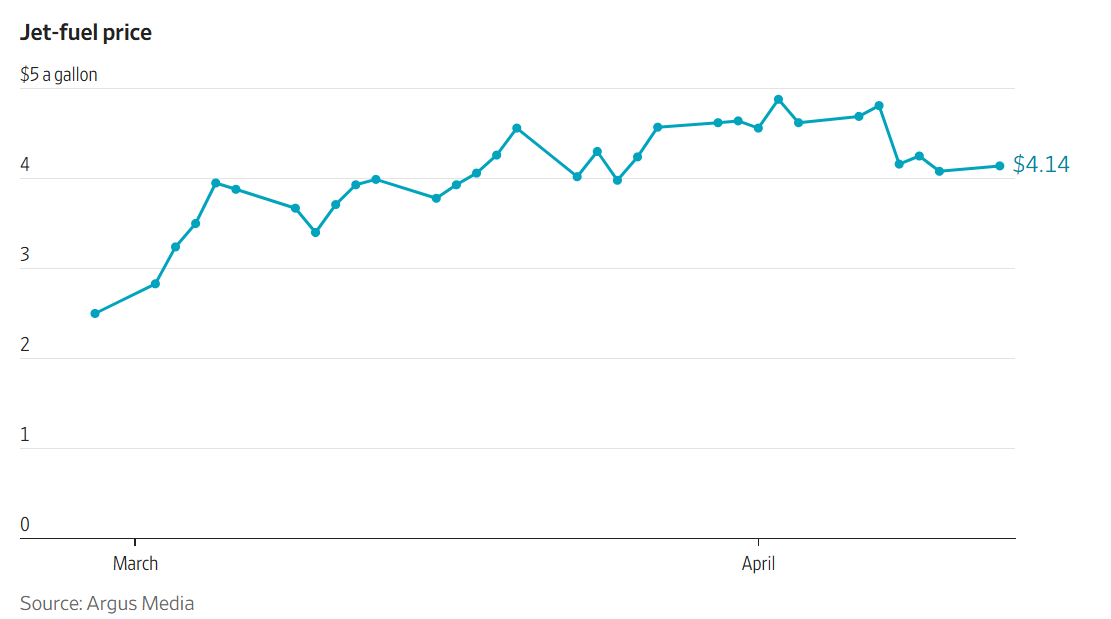
$90 billion and counting: Additional amount Americans have spent on gasoline and diesel during the war compared to the same period last year.
$4.10/gallon: The national average price of gas, which is the highest ever recorded for August in the United States.
$690: Additional amount the average household has spent on energy costs because of rising fuel and utility prices – far exceeding average savings from annual tax refunds.
More Expensive Food
$240: Additional amount the average household is spending on groceries this year as a result of the war.
88%: Share of Americans who have changed how they shop for groceries in response to rising prices.
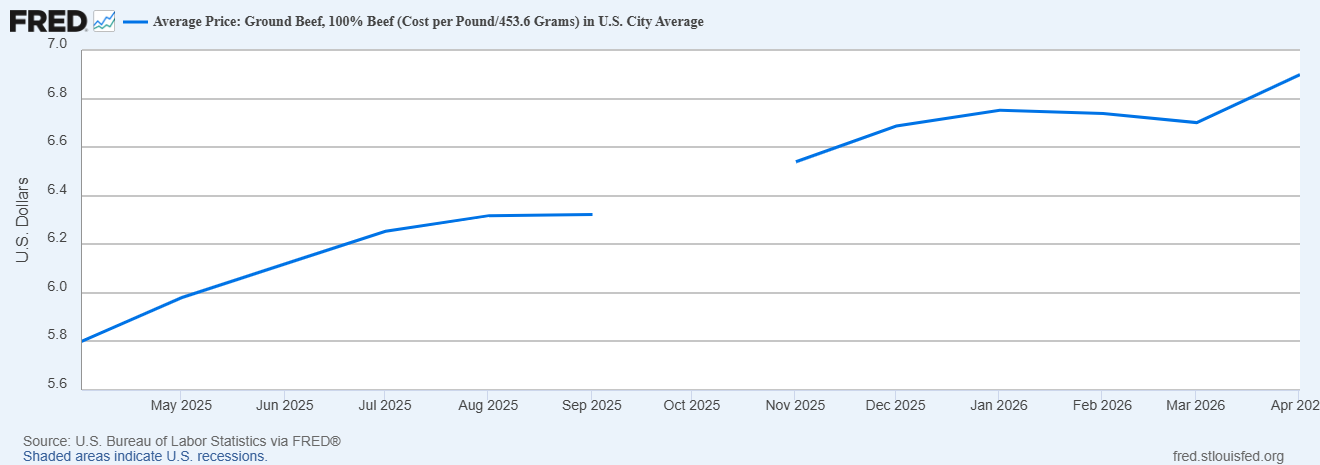
12%: Increase in the price of beef compared to this time last year, as prices soar to record highs.
Impact on American Farmers
94%: Share of farmers who said that their financial situation has worsened or remained the same since last year.
55%: Increase in fertilizer prices for products sourced from the Gulf region, raising costs for American farmers.
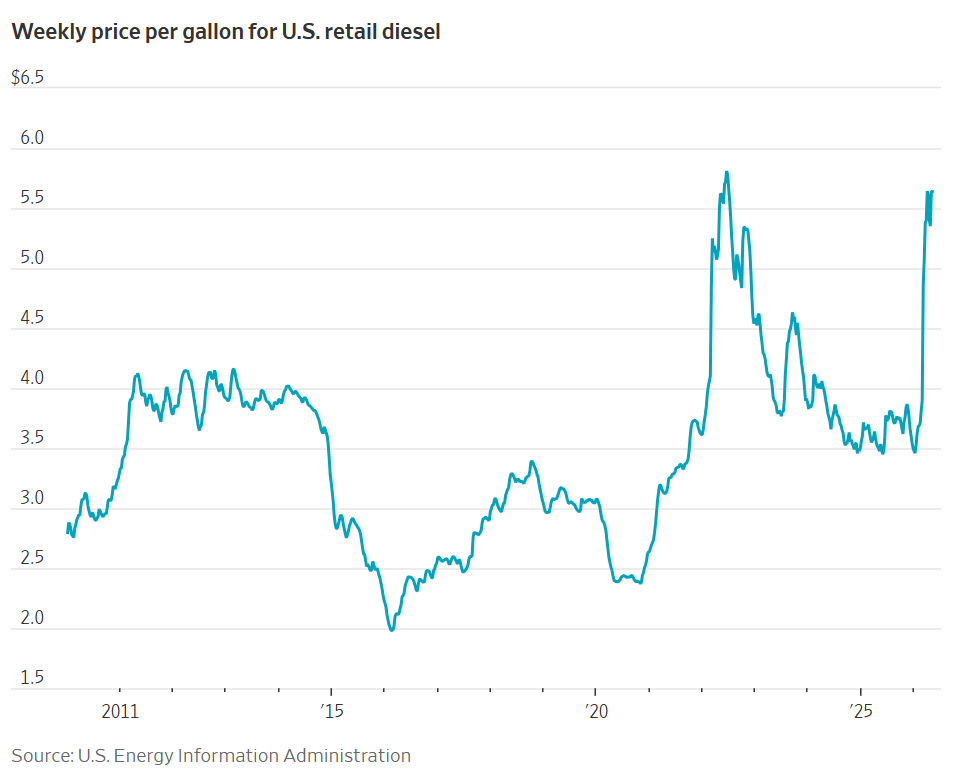
47%: Increase in diesel fuel prices since the beginning of March, making it more expensive to plant, harvest, and transport crops.
40%: The rate at which farm bankruptcies grew in 2025 from the previous year.
Washington Insiders Profiting While Working Americans Struggle:
$2.6 billion: Value of suspiciously timed trades in the oil market just ahead of major announcements by President Donald Trump, raising suspicions of insider trading.
$1 billion: Value of suspicious wagers that accurately predicted the precise timing of major developments in the US-Israel war with Iran, creating huge windfalls and raising concerns among lawmakers and experts over potential insider trading.
46%: Increase in Northrop Grumman’s stock price as tension with Iran escalated and military operations expanded. Similarly, Lockheed Martin’s stock price soared by nearly 40%.
Talking Points:
Trump’s Iran war is costing Americans billions every day. Instead of pouring money into another open-ended conflict overseas, those resources could be used here at home – lowering health care costs, building affordable housing, or making everyday goods more affordable for working families.
The American people didn’t ask for this. They voted for lower prices, good-paying jobs, and economic stability – not another costly foreign conflict that drives up gas prices, groceries, and energy bills.
While families are tightening their budgets, the administration is preparing to spend even more on war. The White House is demanding an additional $73 billion in supplemental funding for its war in Iran this year – to say nothing of a $1.5 trillion defense budget in 2027.
This war is becoming another expensive, open-ended conflict that drains American resources while making life more expensive at home. American families should not be forced to pay the economic price for a war they never asked for.
Updated: August 2026